
Car repair or simple wear and tear: the costly uncertainty
Hello, this is Patrick. To find out whether you’re dealing with a repair or simply normal wear and tear, look at the symptoms, ask for a written diagnosis, and compare it with the scheduled maintenance. A wear-and-tear part generally reaches the end of its life gradually; a sudden or persistent breakdown calls for a prompt inspection. The right approach: keep your invoices and don’t authorize any work without a clear estimate.
Do this immediately:
Note the symptoms and when they first appeared, then gather your invoices and repair orders. If there’s a problem after a purchase or a visit to the repair shop, these remedies for a defective car and these rights relating to car repairs provide useful guidance.
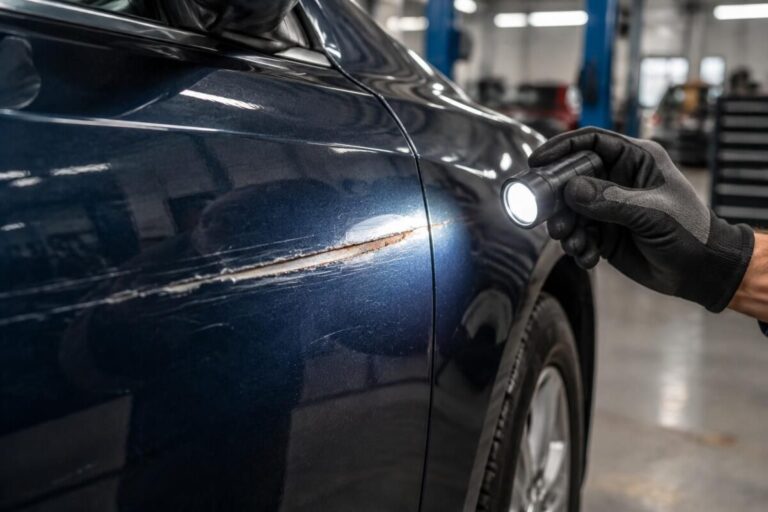
- Take photos of the warning lights or damaged parts without taking anything apart.
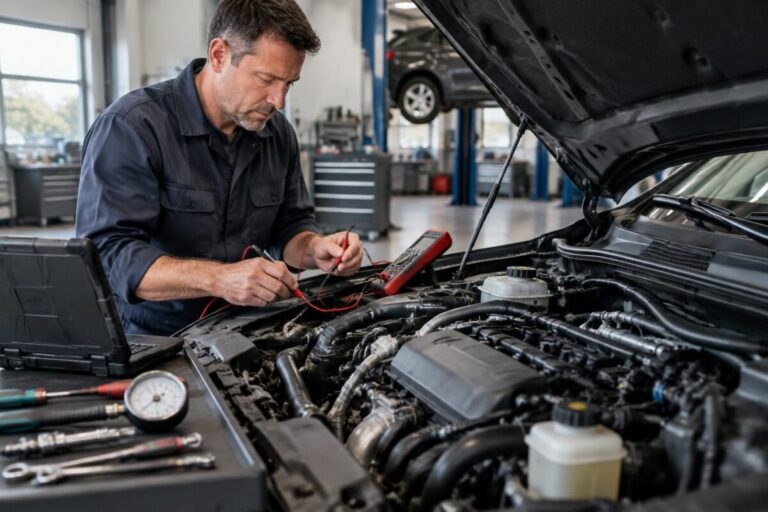
- Ask for a detailed written mechanical diagnosis.
- Require a repair shop estimate before any additional work is carried out.
- Compare the problem with the manufacturer’s maintenance schedule.
- Avoid driving if the brakes, steering, or engine temperature seem abnormal.
Normal wear and tear or car breakdown: signs that help tell the difference
Normal wear and tear affects components that deteriorate over time and with mileage: tires, brake pads, the battery, or the clutch. It often progresses gradually, but the rate depends on the vehicle, driving style, and journeys.
A car breakdown may be indicated by a new noise, loss of power, a warning light, or unusual behavior. A single sign is not always enough to identify the cause: an inspection can determine whether a part is simply worn or whether another component is at fault.
If it’s gradual wear and tear, compare the mileage and maintenance history with the manufacturer’s recommendations. If it’s a sudden breakdown, have the vehicle inspected promptly and keep any records describing the problem.
Symptoms to note before your appointment
Specify when the noise occurs, whether the engine is cold or hot, and whether a warning light comes on. These details help the repair shop narrow down the problem and reduce the risk of replacing a part at random.
For example, one driver reported a whistling noise that occurred only while accelerating. This detail directed the inspection toward the intake system rather than the brakes, avoiding an unnecessary replacement.
Repair costs: why estimates can vary
Repair costs depend on the part, labor time, the model, and whether you choose an original or aftermarket part. Depending on the vehicle and the circumstances, an alternator may cost a few hundred euros, while a turbocharger or gearbox can cost several thousand euros.
A high price alone does not prove that a repair is unjustified. Ask for an itemized breakdown of the parts, labor, and planned work, then compare several estimates if the vehicle can wait without putting road safety at risk.
| Common repair | Indicative price range | What to check |
|---|---|---|
| Alternator | About €300 to €800 | Condition of the battery and charging system |
| Clutch | About €600 to €1,500 | Included parts and condition of the flywheel |
| Timing belt | About €400 to €1,200 | Complete kit and manufacturer recommendations |
| Turbocharger | About €1,500 to €3,500 | Cause of the breakdown and cleaning of the system |
| Air conditioning | About €300 to €1,000 | Leak detection and possible recharging |
These estimates vary depending on the make, model, region, and repair shop. Regular car maintenance helps identify some faults before they turn into major repairs, but it does not eliminate the risk of a breakdown.
Car repairs after a purchase or a visit to the repair shop
If the used car was bought from a dealer, a significant defect or a breakdown that occurs soon after purchase may be covered by the legal guarantee of conformity. Consumers generally have two years from delivery to take action; for a used vehicle, a defect that appears within the first twelve months is presumed to have existed at the time of sale, subject to the legal conditions.
The vehicle must be brought into conformity within a reasonable time, not exceeding thirty days from the request. If the seller refuses to act, delays, or the defect persists, a price reduction or cancellation of the sale may be considered, depending on the circumstances.
After a repair, if the same defect persists or returns, ask the repair shop in writing to reopen the case. Court decisions have recognized that the persistence or appearance of problems after the work may give rise to a presumption of fault on the part of the repairer and a causal link with the damage, unless there is evidence to the contrary.
For a new breakdown that seems unrelated to the work, the technical link often needs to be established. So keep the repair order, invoice, diagnosis, written correspondence, and, if necessary, a vehicle inspection by an expert.
“A specific symptom and a written record are better than an imprecise recollection.” They also make it possible to discuss the matter clearly with the seller or repair professional.
A three-step process to avoid unnecessary expenses
- Step 1: describe the symptoms, note the mileage, and gather maintenance and repair invoices.
- Step 2: ask for a diagnosis and a detailed estimate. Only approve work included in the estimate.
- Step 3: if the problem persists or your claim is rejected, send a written request to the seller or repair shop. If there is a disagreement, an independent assessment may help establish the cause of the defect.
If the work involves wear-and-tear parts, ask the professional to specify their condition and the reason for replacing them. If the breakdown returns after a repair, avoid repeated disassembly until you have documented the problem.
Frequently asked questions about wear and tear and car repairs
How can I tell if a part is worn out normally?
Compare its condition and the mileage with the manufacturer’s maintenance recommendations. A written diagnosis helps distinguish expected wear and tear from an abnormal fault.
Do I have to accept a repair estimate immediately?
No. Check the parts, labor, and planned work. You can ask for explanations or compare several estimates if circumstances allow.
What should I do if the same breakdown returns after a repair?
Notify the repair shop promptly in writing and keep the invoice, repair order, and correspondence. An expert assessment may be useful if the cause of the problem is still disputed.
What remedies are available after buying a defective used car?
If you bought the vehicle from a professional seller, the legal guarantee of conformity may apply. Contact the seller in writing and describe the defect precisely.
Thanks for reading; best wishes, Patrick