Motorcycle or used car: where the risk is higher
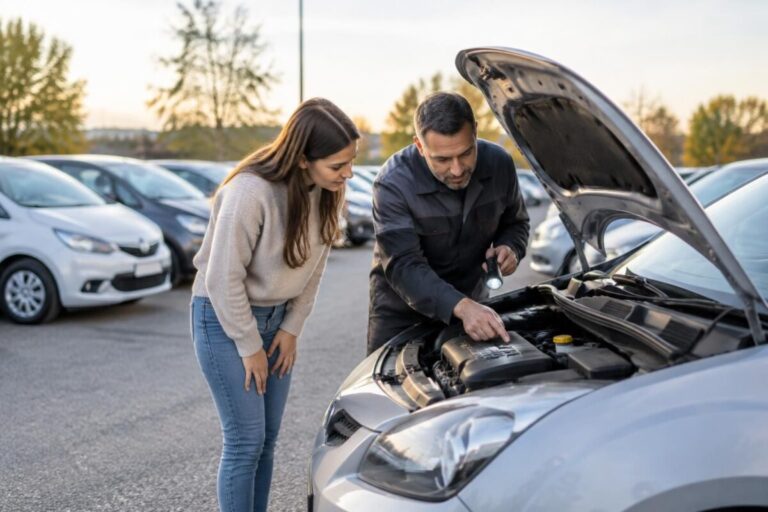
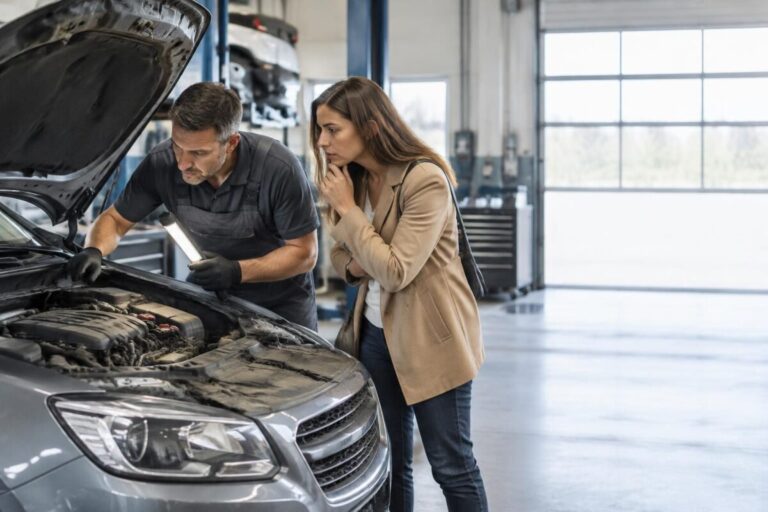
Hi, it’s Patrick. Choosing between a used motorcycle and a used car often comes down to weighing the risks against the pleasure and the safety: a motorcycle remains riskier to ride, but a used car isn’t without risks either, especially when buying one. To limit these risks, a technical inspection rigorous and inspection before purchase
To do immediately:
- Requires a complete vehicle history to avoid unpleasant surprises.
- Consult the reports on the mileage fraud So you don’t get ripped off.
- Performs or requests a technical inspection recent and detailed.
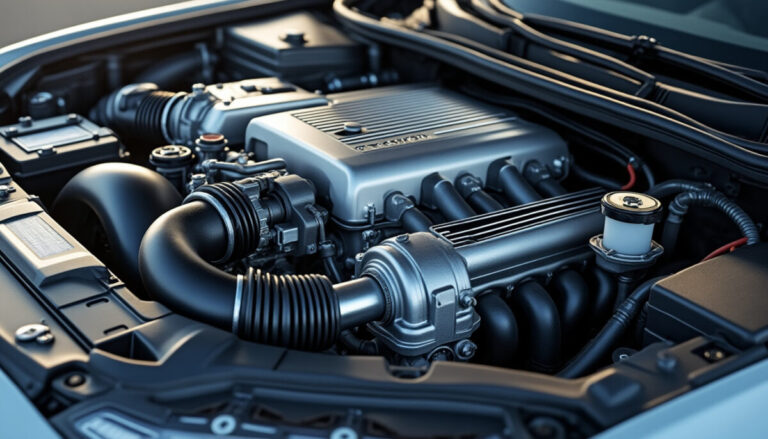
- Check engine wear and the condition of the major components.
- Be vigilant in the face of vehicle scams, particularly on used motorcycles.
Comparing the risk between a motorcycle and a used car also means understanding that each type of vehicle has its own specific characteristics. A used car may conceal less visible defects, such as advanced engine wear or odometer fraud, while a motorcycle is exposed to the hazards of driving and greater vulnerability in the event of an accident (, motorcycle car comparative analysis).
Risks associated with riding: motorcycles remain more exposed
By 2026, statistics clearly show that the risk of a fatal accident is much higher for motorcyclists than for car drivers per kilometer traveled. Motorcycles, exposed to the hazards of the road, represent an increased danger due to their limited protection. The risk is estimated to be approximately compared to a car. This vulnerability is exacerbated in urban areas, where intersections and heavy traffic increase the risk of collision.
Another crucial point: in two-thirds of cases, it is often the driver of a car who is responsible for the accident, having failed to see the motorcycle. This lack of visibility is a recurring cause of serious accidents. As one experienced motorcyclist put it: “In the city, every intersection is a test of composure.” More information here.
Security is not just a technical matter.
There training Handling skills plays a crucial role; an A2 motorcycle requires a full test, while a 125cc scooter often needs less training. A lack of experience and automatic reflexes can multiply the risk, especially since protective gear is often neglected on small two-wheelers. A certified helmet, gloves, a back protector, and boots remain your best protection, your safety net.
Buying a used vehicle: beware of the pitfalls
Buying a used car may seem safer than a motorcycle, but in reality, the market also presents its share of risks. There are mileage fraud, blurred vehicle history and embellished advertisements. Without vigilance, these traps can be costly, especially if the car hides advanced engine wear or defects not detected during the inspection. This detailed report helps you understand the differences in risk around the world..
Motorcycle scams also exist, especially online where unscrupulous sellers take advantage of prospective riders’ lack of knowledge. A vehicle inspection remains mandatory to minimize mechanical risks and ensure a fair transaction.
Comparative table of risks when buying a used motorcycle versus a used car
| Criteria | Used motorcycle | Used car |
|---|---|---|
| Visibility of defects | Easier to inspect, but risk of rapid, unseen wear | |
| Kilometer fraud | Frequent, but be sure to check. | Very common, requires thorough investigation |
| Training / user experience | Varies, but generally more stable | |
| Maintenance costs | Cheaper but more frequent | Higher cost, but less frequent intervention |
| Risk in case of accident | Much higher, serious injuries possible | Less risky thanks to the bodywork and equipment |
A simple procedure to secure your purchase
- Step 1: Check the complete history, the accuracy of the odometer reading, and the traceability of maintenance records.
- Step 2: Request a recent technical inspection – for a car – or a complete engine and brake check-up – for a motorcycle.
- Step 3: Test the vehicle under real-world driving conditions to detect any abnormal behavior.
Field anecdote:
“The road is shared; caution must be collective.”
What are the main risk factors for motorcyclists?
Lack of visibility, weak physical protection, insufficient training, and the behavior of other users.
The risks are different: motorcycles require more vigilance while driving, while cars require more attention to history and maintenance.
How to detect mileage fraud?
Request a history report, check maintenance invoices and compare mechanical wear.
What equipment is essential for motorcycle safety?
A certified helmet, gloves, reinforced jacket, back protector, and high boots are essential.