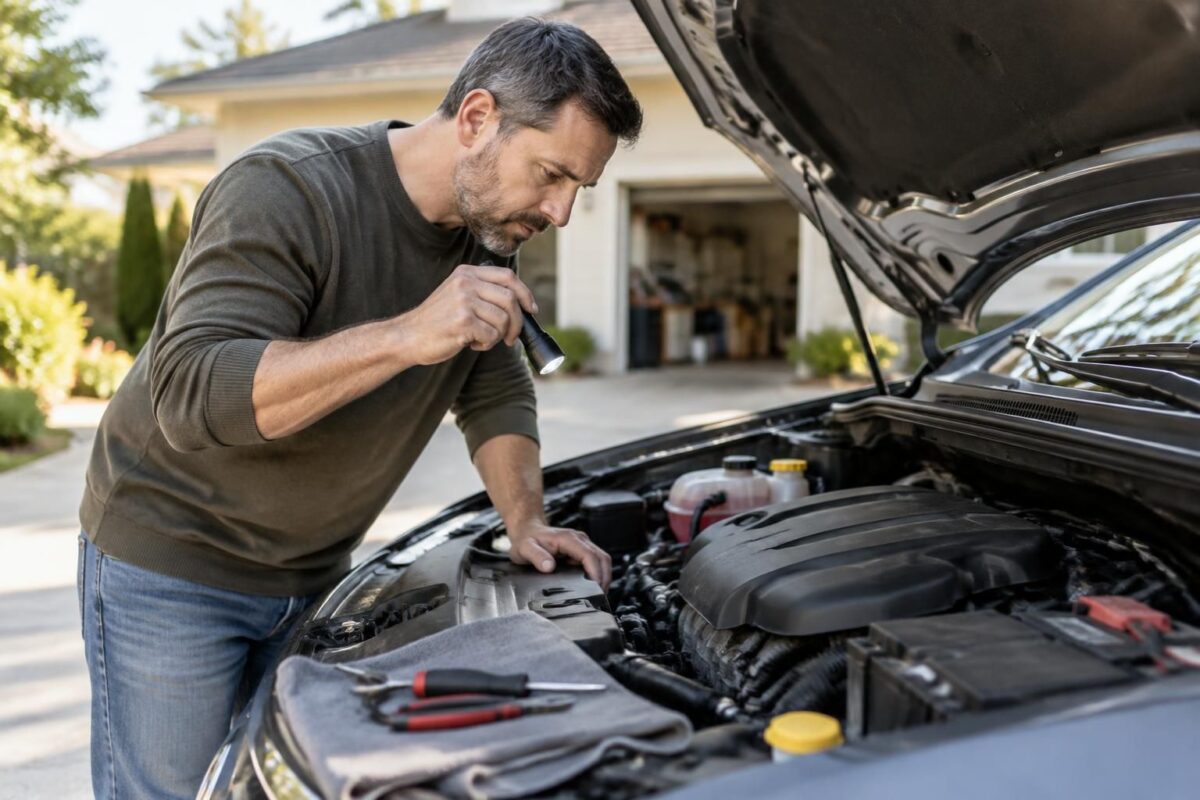
Car repairs at home: what to check before calling a pro
Hi, it’s Patrick. Before calling a professional, check the simple things: the battery, fluid levels, tires and warning lights, without removing any safety components. Make a note of the symptoms and stop if the car seems unsafe to drive. These checks help with automotive diagnosis and can prevent unnecessary work.
Things to do right away:
- Park the car on level ground, turn off the engine and make the area safe.
- Make a note of the warning lights, noises and when the problem occurs.
- Check the battery and visible terminals, but don’t handle them if they’re damaged.
- Check the oil level, the coolant when the engine is cold, and the tire pressure.
- Check the manual before touching the fuses or using repair tools.
A visual inspection is often enough to describe an engine problem more clearly, but don’t try to repair a part you’re not familiar with. To prepare for what comes next, read this advice on precautions to take before a car repair and the information to have included on the repair order.
DIY car repair: simple checks to make before calling
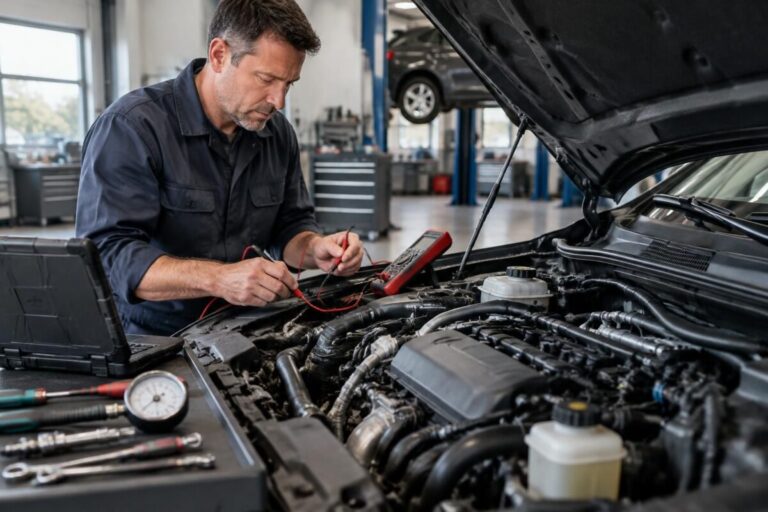
Start by looking, not taking things apart. Check whether there’s a leak under the vehicle, a warning light that stays on, or a noise that changes when you start the car. These details are more useful to a professional mechanic than a part that’s already been removed without a clear diagnosis.
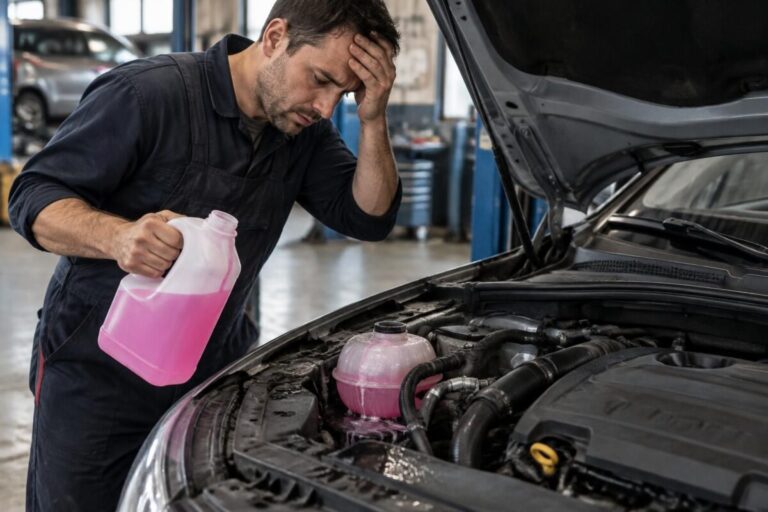
Check the engine oil on level ground, following the procedure in the manual. Check the coolant when the engine is cold: never open the cap when it’s hot, as the system may be pressurized.
A common example: a car that won’t start after a cold night can seem to have an engine problem. In reality, a weak battery may be all that’s causing the issue; noting how quickly the starter turns can help the garage decide what to check.
Warning lights, tires and fuses: what can you check safely?
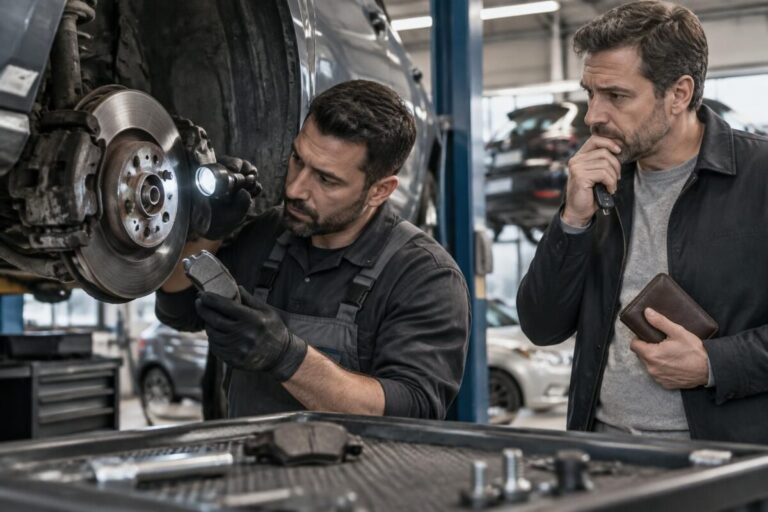
A red warning light, a burning smell, smoke or a major leak means you must stop the vehicle. Never test the brakes in an improvised way: if the pedal sinks unusually low or the car pulls to one side, don’t drive any farther.
Check tire pressure when the tires are cold and compare it with the values specified by the manufacturer. For fuses, find the correct location in the manual and replace a fuse only with one of the same rating; if it blows again, leave the diagnosis to a professional.
“A clearly described symptom saves time during diagnosis.” Note the time, the circumstances and any recent changes, such as a battery replacement or a fill-up.
When to do it yourself and when to call a professional mechanic
A visual inspection or pressure check is manageable with the right tools. However, don’t work underneath a car supported only by a jack, and don’t touch airbags, the fuel system or high-voltage components in a hybrid or electric vehicle.
| Check | What you can do at home | When to call a professional |
|---|---|---|
| Battery | Inspect the terminals and listen when starting the car | If it gets hot, leaks, or the problem comes back |
| Fluid levels | Check when cold, following the manual | If you notice a leak or repeated fluid loss |
| Tires | Measure the pressure and inspect the sidewalls | If you see a bulge, a cut or rapid pressure loss |
| Brakes | Look out for noises or changes in how the car behaves | As soon as braking feels unusual |
| Fuses | Check the diagram and specified rating | If the fuse blows again |
If the tire pressure is just slightly low, inflate it to the manufacturer’s recommended level and then keep an eye on it. If there’s a red warning light or unusual braking, stop and call for assistance.
Three steps to take before asking for an estimate
- Step 1: Make the vehicle safe and gather the symptoms you’ve noticed, without attempting anything risky.
- Step 2: Call a garage and describe what happened, the warning lights and the checks you’ve already made; ask whether there’s a charge for the estimate.
- Step 3: Ask for a written estimate before authorizing any repairs. Have the work to be done, its cost, the expected time the vehicle will be out of service, and the vehicle’s condition recorded on the repair order.
You’re not committed to an estimate until you accept it. Once signed, it formalizes the agreement: if the professional discovers that more work is needed, ask for a new estimate and give your approval before the work begins.
Estimates and repair orders: stay in control of the work
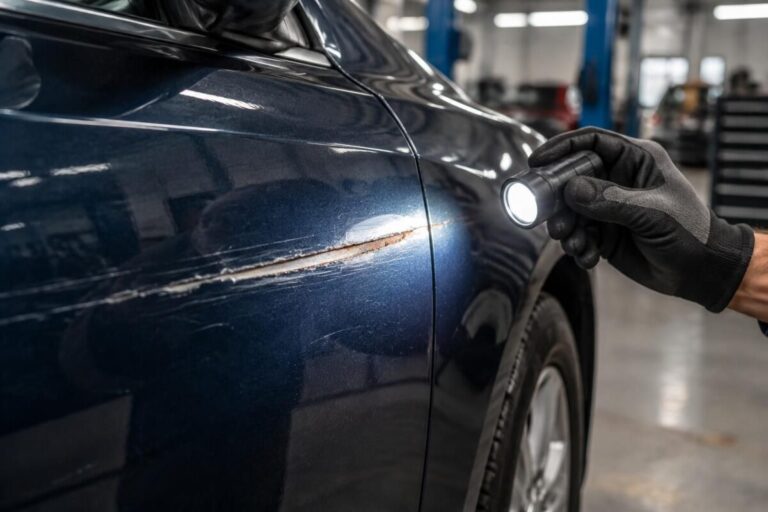
Compare services when circumstances allow, and check the travel fees as well as any diagnostic charge. Take a few photos of the car’s exterior condition before leaving it at the garage; this can help clear things up if there’s a disagreement.
If the invoice doesn’t match the work you approved, first send the professional a written complaint and keep all the documents. If you can’t resolve the issue, you can contact a consumer association or report the problem to the relevant authorities.
Just one
can help you see the basic checks, but it’s no substitute for a workshop diagnosis if the problem persists or involves a safety component.
Useful questions to ask before leaving your car with a garage
Can I drive with the engine warning light on?
It depends on the warning light and how the vehicle is behaving. If the light is flashing, the engine is losing power or an unusual noise occurs, stop somewhere safe and seek advice from a professional.
Can a garage add repairs without my approval?
The professional must get your approval before carrying out additional work. Ask for a written additional estimate before authorizing the work.
Do I have to pay for a car repair estimate?
The garage must tell you in advance if the estimate or diagnosis is chargeable. Ask about the price and terms before leaving your vehicle.
What should I do if the problem comes back after the repair?
Contact the garage promptly in writing, describe the symptoms and keep the invoice and all correspondence. If the disagreement continues, ask a consumer association for advice.
Thanks for reading; best wishes, Patrick