
5 Maintenance Mistakes That Reveal Car Body Scratches
Hello, it’s Patrick.
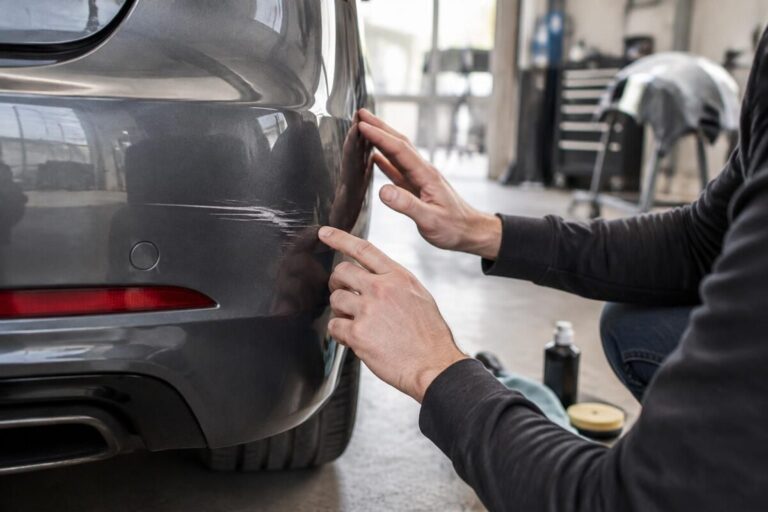
Car scratches are often caused or made more visible by five easy-to-avoid car care mistakes.
Incorrect washing can dull the clear coat long before the paint looks damaged. The right approach relies on gentle movements, clean accessories, and suitable products. A few adjustments are all it takes to protect your car’s bodywork over time.
Do this now: 5 ways to reduce scratches
- Wash your car in the shade, with cool bodywork.
- Rinse it before making any contact and use a clean microfiber cloth.
- Clean the wheels before the bodywork, using separate equipment.
- Soften insects with water or a suitable product before removing them.
- Dry without rubbing and choose a pH-neutral car shampoo.
These habits reduce the risk of fine scratches and help preserve the paint protection. To find out what to do when a mark is already visible, read these tips on removing scratches from car bodywork and this guide to repair methods based on scratch depth.
Car care mistakes that reveal scratches on your bodywork
1. Washing the car in direct sunlight
On hot bodywork, water and shampoo dry quickly. Mineral deposits then leave marks that you may try to rub away, potentially creating new scratches.
Wash your car in the shade or at the end of the day instead. If you have to work in the sun, wash small areas at a time and rinse each one before it dries.
2. Scrubbing with an abrasive sponge or dirty cloth
An abrasive sponge or dirty cloth can trap sand and hard particles. The next time you wipe, these particles rub against the clear coat and leave fine scratches, often visible in oblique light.
Car wash brushes can also mark the paint if they are worn or covered in dirt. For a hand wash, use a car wash mitt and rinse it frequently; two buckets, one for shampoo and the other for rinsing, help prevent dirt from getting back onto the bodywork.
3. Cleaning the wheels after the bodywork
Brake dust contains abrasive particles. If you clean the wheels after washing the bodywork, splashes can dirty the panels you’ve just cleaned and tempt you to wipe them down again.
Start with the wheels, using a brush and a product designed for their finish. Rinse them thoroughly before moving on to the bodywork: each area should have its own dedicated equipment.
| Mistake | Risk to the bodywork | What to do instead |
|---|---|---|
| Washing in direct sunlight | Dried-on marks and extra rubbing | Work in the shade, a small area at a time |
| Dirty sponge or cloth | Fine scratches caused by trapped particles | Rinse a clean microfiber cloth often |
| Washing the wheels last | Abrasive splashes on the panels | Clean the wheels first |
| Rubbing insects off when dry | Scratches and weakened clear coat | Wet the area and let it soak before wiping |
| Using unsuitable products | Weakened protection or dulled surfaces | Choose suitable car care products |
4. Removing insects by dry-washing
Rubbing dried, crushed insects off the hood or bumper is a common mistake. The residue can stick firmly, and the pressure needed to remove it may mark the clear coat.
Wet the area with water or a suitable mild cleaner, then let it work for a few minutes. Next, remove the residue with a damp microfiber cloth without scraping or pressing hard.
5. Using unsuitable products and rushing the drying process
Dish soap and some household cleaners can remove wax or weaken protective coatings applied to the paint. Products that are unsuitable for wheels may also damage certain finishes.
After rinsing, dry the car with a clean, absorbent microfiber cloth, patting rather than rubbing. A suitable wax or protective spray can then help preserve the shine and make future washes easier.
A simple routine to prevent new marks
To make your car care routine safer, always follow the same order. This routine reduces unnecessary contact with the paint and helps prevent scratches on the bodywork.
- Get ready: park in the shade, gather clean microfiber cloths, and rinse the vehicle thoroughly to loosen the dirt.
- Wash: start with the wheels, then wash the bodywork from top to bottom with car shampoo and a clean mitt.
- Rinse and protect: rinse without letting the car dry, pat it dry, and apply a suitable protective product if needed.
If a mark remains after washing, avoid rubbing repeatedly or using a polish at random. The depth of the scratch determines the right method; if you can clearly feel a mark catch your fingernail, seek professional advice.
Frequently asked questions about car scratches
How can you spot fine scratches on a car?
Look at the bodywork under direct or oblique light after washing it. Fine circular marks often become more visible in these conditions, especially on dark paint.
Do car wash brushes always scratch the bodywork?
Not necessarily, but worn brushes or ones covered in particles can leave marks. Hand washing with clean equipment gives you better control over contact with the paint.
Should you dry your car after every wash?
Yes, if you want to reduce limescale marks and avoid wiping down bodywork that is still dusty. Use a clean microfiber cloth and absorb the water without rubbing.
Thanks for reading! Feel free to share your thoughts in the comments. — Patrick