Long-Term Motorcycle Maintenance: This Small Gesture Pays Off Big
Hello, Patrick here!
The small gesture that pays off over time: regularly check your tire pressure when the tires are cold and adjust it according to the manufacturer’s specifications.
This habit takes just a few minutes. It helps limit premature wear, maintain good road handling and avoid some recurring expenses.
Good habits to adopt
- Check your tire pressure when the tires are cold, at least once a month and before a long trip.
- Follow the values listed in the manual or on the motorcycle, taking the load into account.
- Inspect the tread: look for cuts, deformations and wear close to the wear indicators.
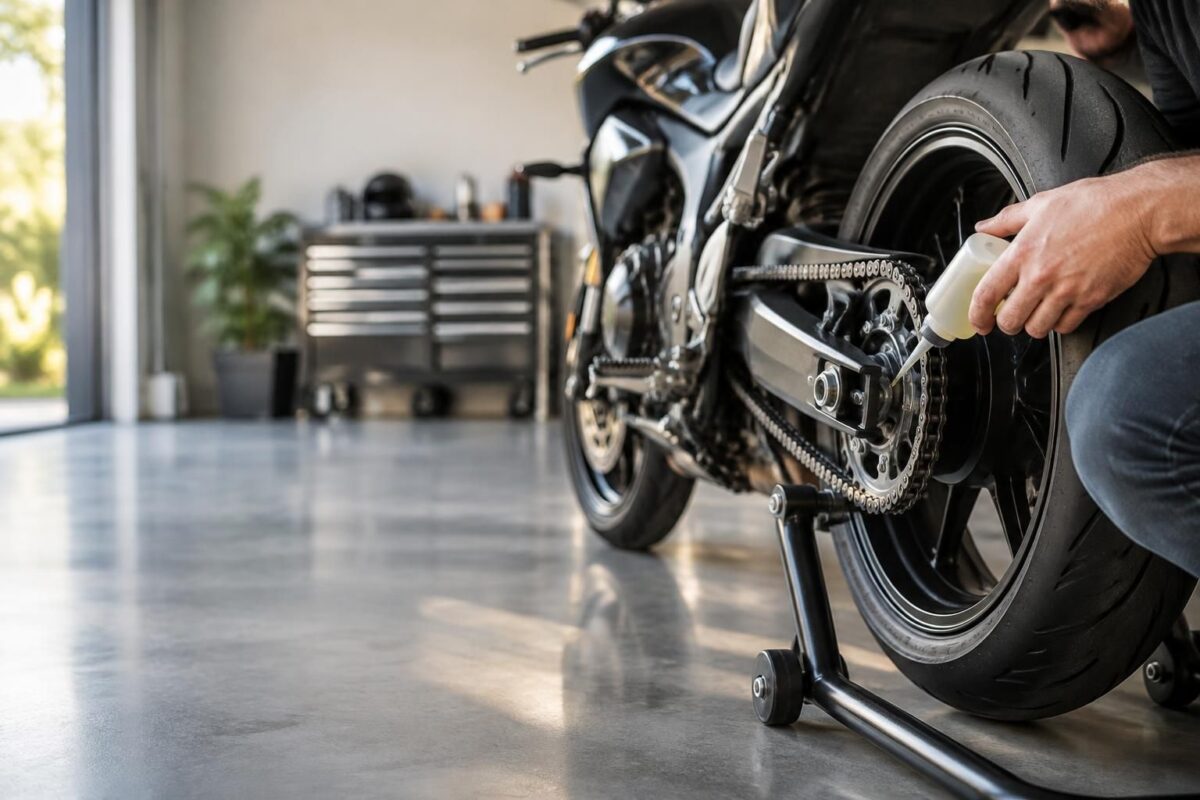
- Check the chain: tension, cleanliness and lubrication, according to the manufacturer’s recommendations.
- Monitor the oil and brake fluid levels, and follow the regular oil-change schedule.
Tire pressure is just one part of good preventive maintenance. To round out your routine, you can check out these tips on what to do before a problem occurs and the signs that your motorcycle needs more extensive maintenance.
Why this maintenance habit protects your budget
An underinflated tire works harder and may wear unevenly. It can also affect stability and make the motorcycle less precise, especially when cornering or braking hard.
Conversely, the right tire pressure helps maintain consistent contact with the road. Checking your tires does not replace inspecting their condition, but it contributes to motorcycle safety and helps keep maintenance costs down.
Imagine Lina, who uses her motorcycle to get to work. By checking her tires every month, she notices an unusual drop in pressure in one of them. She has the tire inspected before the problem gets worse: a quick check keeps her from riding an unstable motorcycle and from letting a potential puncture get worse.
A simple routine, with no magic promises
Correct tire pressure alone does not guarantee a measurable reduction in fuel consumption: the result also depends on the model, the route and the way you ride. But well-maintained tires and smooth riding reduce unnecessary strain, while a clean, well-lubricated chain protects the drivetrain.
Engine longevity, in turn, depends on other habits: following the recommended intervals, using the right oil and not neglecting regular oil changes. Each check has its purpose; doing them regularly helps prevent breakdowns.
| Task | What to check | Why it helps |
|---|---|---|
| Tire pressure | Manufacturer’s specifications, cold tires | Maintain road handling and limit abnormal wear |
| Chain | Tension, dirt, lubrication | Reduce drivetrain wear |
| Oil level | Reference marks and method in the manual | Help protect the engine |
| Brakes | Lever response, brake pads and fluid level | Spot an issue early that could compromise braking |
Maintain your motorcycle regularly without overcomplicating things
The right schedule depends on the model, mileage and how you use the motorcycle. A motorcycle ridden in the rain, on dusty roads or in traffic may need more frequent checks than one used only occasionally.
The manufacturer’s service booklet remains the reference for tasks such as oil changes, filter replacement or brake inspections. Visual checks, on the other hand, are easy to work into your routine: before a ride, a quick look at the tires, lights and any leaks takes very little time.
Three steps to make checking a habit
- Choose a regular time. For example, check the pressure on the first weekend of every month and before an important trip.
- Make a note of any issues. A repeated pressure drop, uneven wear or a leak calls for an inspection, not just topping up or cleaning.
- Know the limits of DIY repairs. If braking performance deteriorates, you hear an unusual noise or a repair is beyond your skill level, ask a professional for advice.
This method requires neither complex equipment nor a long session of wrenching. A reliable pressure gauge, the motorcycle’s manual and a few minutes are all it takes to make motorcycle maintenance more regular and stress-free.
Questions to ask yourself before getting back on the road
How often should you check a motorcycle’s tire pressure?
A monthly check is a practical guideline, as is checking before a long trip. Measure the pressure when the tires are cold and follow the manufacturer’s specifications.
Can you judge tire pressure by looking at the tire?
No. A tire can look normal while still being underinflated. Use a pressure gauge and also inspect the tread, wear indicators, and check for cuts or deformation.
When should you clean and lubricate the chain?
Follow the recommendations in the manual and adjust the frequency to your usage. After riding in the rain or on a dusty route, check its condition and lubricate it if necessary, remembering to check the tension too.
What signs mean you should get a prompt inspection by a professional?
Reduced braking performance, a leak, a new mechanical noise, unusual vibrations or repeated pressure loss warrant an inspection without waiting for the next service.
Thanks for reading! Feel free to share your observations in the comments. — Patrick