Car scratch repair tools: which ones prevent the worst
Hi, it’s Patrick. To prevent scratches on your car from turning into a nightmare, you need to invest in… repair tools adapted as body polishing for small scratches and Effective solutions that prevent further damage to the paintwork. These solutions protect your car’s bodywork while restoring its original appearance.
To do immediately:
- Thoroughly clean the scratched area to remove dust and dirt.
- Test the polishing or scratch remover product on an inconspicuous area.
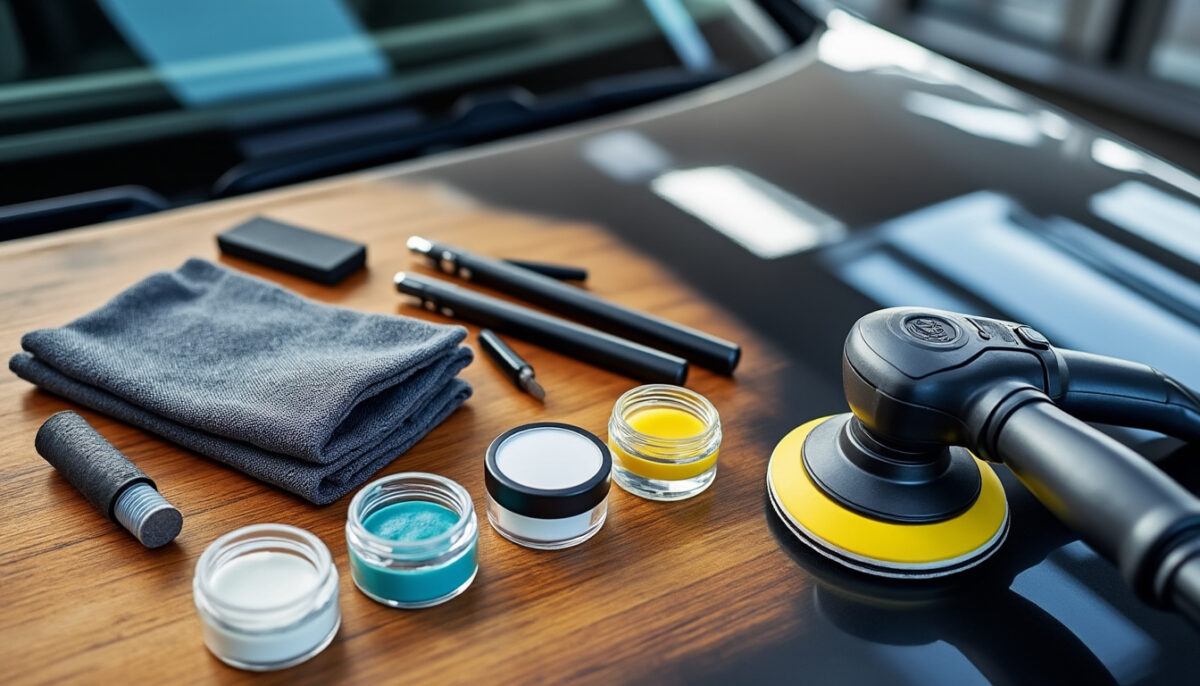
- Use a microfiber cloth to gently apply the polishing paste or scratch remover.
- Follow the application times indicated on the product to avoid streaks.
- Protect the surface with a coat of automotive wax after treatment
For more information on how to use these products safely, consult these practical guides on the best scratch-resistant material and the body polishing technique.
Essential tools to avoid worsening a car scratch
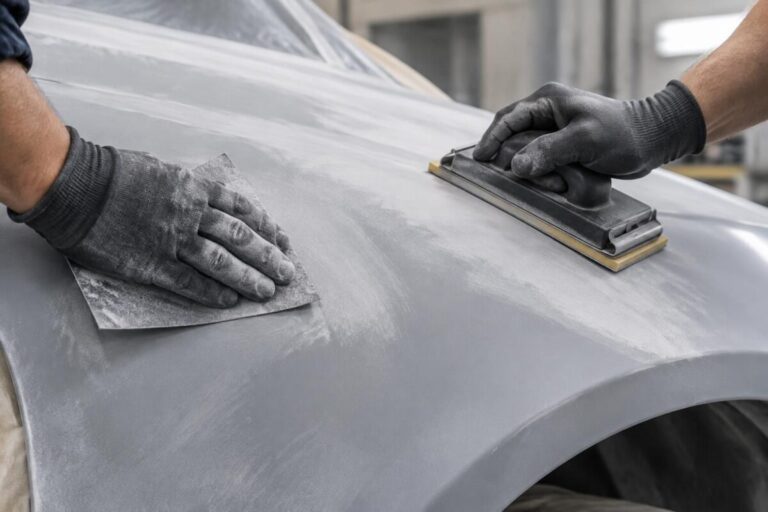
To preserve the paint layer and ensure a painting renovation For success, prioritize gentle and technical tools first. body polishing is often the most commonly used method. It consists of applying a polishing paste specific in circular movements, after lightly sanding the surface to remove impurities.
This process helps smooth out superficial micro-scratches and restore shine to the paintwork. However, polishing doesn’t work miracles on deep scratches where the paint layer is damaged.
Scratch eraser and correction pen: quick solutions
L’scratch remover correction pen Use this to fill the dents with paint that matches your vehicle’s color. Don’t forget to sand thoroughly to remove all traces of rust and apply a coat of varnish over it.
Quick tips for choosing your scratch removal tool
- If it’s a superficial micro-scratch, the polishing paste and a soft cloth is often enough.
- If the scratch has gone through the paint to the metal, invest in a good or consulting a professional remains preferable.
A simple 3-step procedure to protect your car bodywork
- Step 1: Clean the scratched area thoroughly with a mild car soap and dry carefully.
- Step 2: Apply your scratch-removal product (polishing paste, scratch remover or pen) in regular movements without pressing too hard.
- Step 3: Finish with a coat of automotive wax to strengthen the bodywork protection and the radiance of the treatment.
List of reliable and to-avoid tools for your car
- To be preferred polishing compound, soft scratch remover, color-matched touch-up pen, microfiber cloth, car wax
- To avoid : overly abrasive tools, uncontrolled electric sanders, aggressive chemicals
| Tool | Type of scratch | Ease of use | Risks | Expected result |
|---|---|---|---|---|
| Polishing paste | Micro-scratches and light scratches | Low if used correctly | Significantly reduced scratches, restored shine | |
| Scratch remover | Superficial scratches | Very easy | Quick camouflage, no sanding required | |
| Correction pen | Deep scratches (scorched paint) | Moderate | Poor choice of color | Targeted repair with lasting effects |
| Electric sander | Medium to deep scratches | Difficult without experience | Risk of excessive abrasion | Smooth surface, but handle with care |
Additional tips for top-notch car maintenance
To prevent new scratches from appearing, check the condition of your paintwork regularly. A short session of body polishing annual combined with the application of car wax It often helps to avoid the worst. As a professional I know used to say: “Protecting your car’s bodywork means preserving your investment in the long term.”
How can you tell if a scratch is deep or superficial?
Run your fingernail gently over the scratch. If your nail catches, it’s deep; otherwise, it’s often treatable with polish.
Can the same tools be used for a motorcycle and a car?
No, because the finishes and surfaces are different, the tools must be adapted. Attention to detail and precautions are essential to avoid damaging the paint.
Generally, a light polish once a year is sufficient to maintain the paintwork and prevent micro-scratches.
Is scratch remover really effective?
Yes, for light and superficial scratches, it is a very practical and often affordable product.
When should you consult a professional for scratches?
As soon as the scratch is too deep or you doubt the repair, it is best to call in an expert to avoid making the problem worse.
Thanks for reading; best regards, Patrick