7 Maintenance Mistakes That Wear Out Your Car Faster
Hello, it’s Patrick.
To prevent premature wear, follow maintenance schedules, regularly check fluid levels and tire pressure, and don’t put off important repairs.
Some things we forget may seem harmless, but they can accelerate wear on the engine, brakes, or tires. Here are common mistakes to watch out for and simple steps to correct them.
Do these things without delay
- Check your tire pressure when the tires are cold, using the values shown on the car.
- Check the oil level and follow the oil-change schedule.
- Have the brakes checked if you hear a noise or the pedal feels different.
- Keep an eye on the coolant and look for any signs of a leak.
- Check the service schedule for the filters and timing belt.
Keeping up with car maintenance helps prevent avoidable breakdowns: these tips on avoiding mistakes during a complete oil change and this guide to maintenance oversights that can catch drivers out can help you stay on track.
Maintenance mistakes that accelerate car wear
The most common trap is waiting for a warning light or a noise before taking action. Yet a quick, regular check generally costs less than a part damaged by neglect.
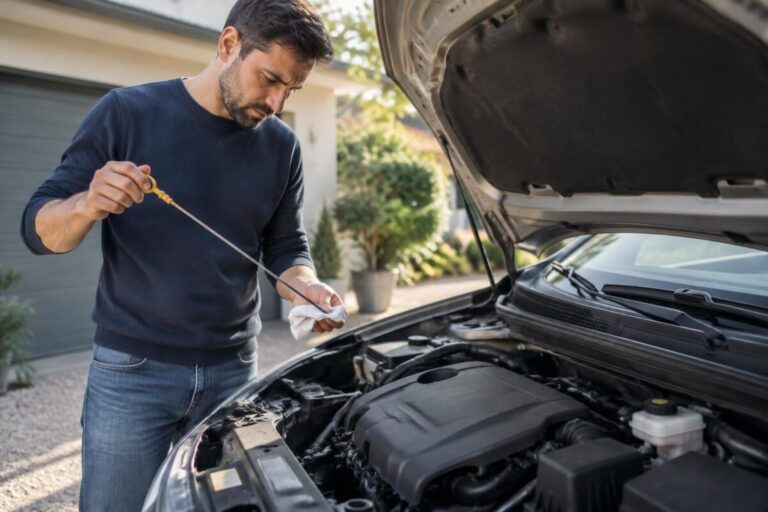
1. Putting off oil changes and neglecting engine oil
Neglecting oil changes allows the oil to gradually lose its lubricating properties. Engine parts rub together more, especially during cold starts and short trips.
Follow the interval specified by the manufacturer, which depends on the model, oil, and how the car is used. A driver who often drives in the city may put more strain on the engine than a motorist who mainly takes long trips.
2. Forgetting to check tire pressure
Underinflated tires get hotter and wear faster along the edges. They can also increase fuel consumption and make the car less precise when cornering.
Check their pressure when they’re cold, ideally every month and before a long trip. The recommended value is usually shown on a label inside the door frame or in the manual.
3. Continuing to drive with worn brakes
Squealing, vibrations when braking, or an unusual-feeling pedal warrant a prompt inspection. Ignoring these signs can damage the discs as well as the pads and make repairs more expensive.
For example, if a car pulls to one side when the driver brakes, it’s better to have the system checked than to wait until the next service. Any change in braking should be taken seriously.
4. Letting filters get clogged
Clogged filters can reduce airflow to the engine or restrict ventilation in the cabin. The effects vary depending on the filter, but both engine performance and comfort can suffer.
The air filter, cabin air filter, and fuel filter don’t necessarily have the same replacement schedule. Check the manufacturer’s recommendations instead of replacing them at random.
5. Neglecting the coolant
Coolant helps keep the engine within its operating temperature range. A level that’s too low or a leak can contribute to overheating and cause costly damage.
Check the level when the engine is cold, and never unscrew the cap while the engine is hot. If the level keeps dropping, have the cause investigated rather than simply topping it up.
6. Failing to maintain the battery
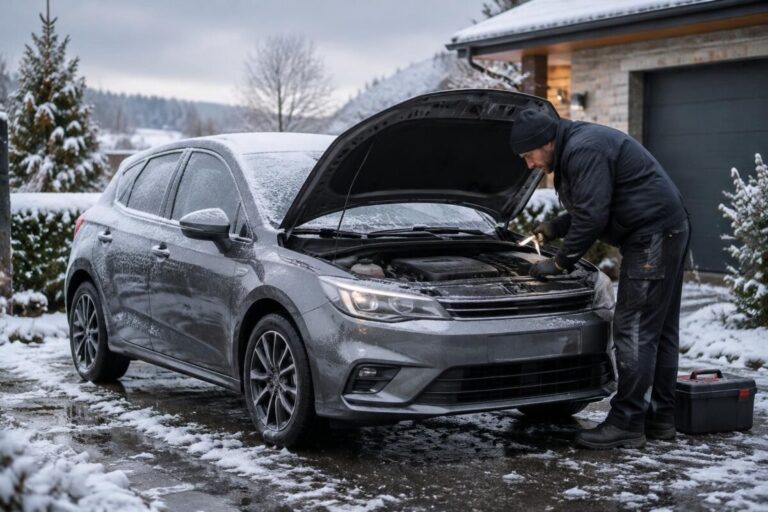
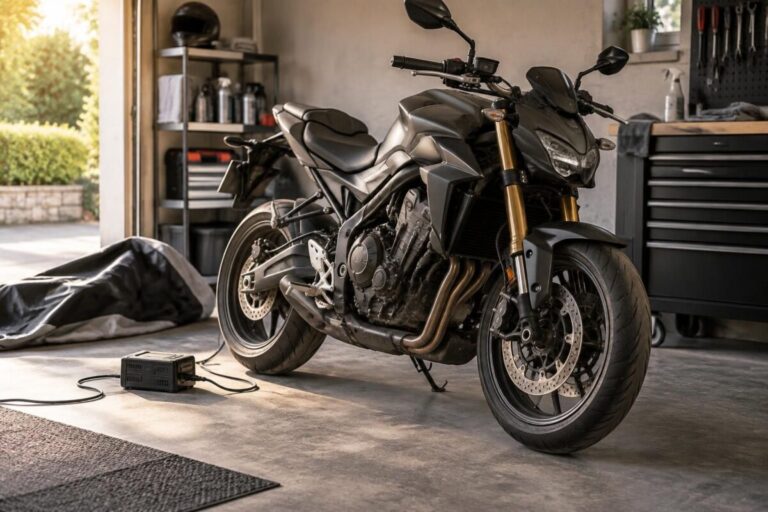
A poorly maintained battery may struggle to start the car, especially in cold weather or after several short trips. Corroded terminals or an aging battery may be to blame.
Keep the terminals clean and have the battery checked if starting becomes sluggish or electrical equipment starts to weaken. Checking the charge before winter can often help you avoid a breakdown at the worst possible time.
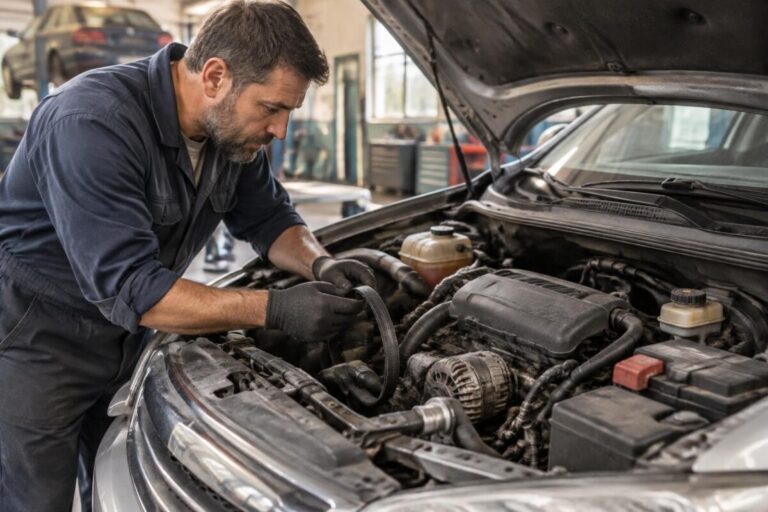
7. Putting off timing belt replacement
The timing belt synchronizes essential engine components. When it needs replacing depends on the model, mileage, and sometimes the vehicle’s age: follow the manufacturer’s specific recommendations.
Don’t rely on its appearance alone. A belt can fail without any obvious warning and cause major damage, so check its replacement interval in the service history.
Recognizing signs of wear before a breakdown
A car doesn’t always give you a warning light. Changes in noise, handling, or starting can also be useful clues: make a note of when they occur and under what conditions.
| Sign noticed | What to check | Recommended action |
|---|---|---|
| Uneven tire wear | Pressure, wheel alignment, suspension | Check the tires and have the running gear inspected |
| Noise when braking | Pads and discs | Have the braking system inspected |
| Abnormal engine temperature | Coolant level and cooling system | Stop safely if the engine overheats |
| Sluggish starting | Battery and charging system | Have the battery and alternator tested |
These symptoms don’t always point to just one cause. A professional inspection can help you avoid replacing parts at random and letting the underlying problem get worse.
A simple way to keep better track of car maintenance
Samir uses his car to commute to work and notices that the edges of his tires are wearing out faster. Rather than replacing them without checking, he checks the pressure and then has the wheel alignment inspected: a simple approach that prevents him from repeating the same expense.
- Note the due dates for oil changes, filters, and the timing belt in a calendar or logbook.
- Carry out a monthly check of the tires, accessible fluid levels, and any unusual signs.
- Take action as soon as a symptom appears and keep your invoices to track completed repairs.
This routine takes little time and helps you distinguish normal wear from a problem that needs attention. The best approach is to check early, rather than waiting for a breakdown to leave your car stranded.
How often should you check tire pressure?
Check it about once a month, when the tires are cold, and before a long trip. Use the values recommended by the manufacturer.
Can you check the coolant when the engine is hot?
No. Wait for the engine to cool down before checking the level, and never open a hot system, which may be under pressure.
How do you know when to replace the timing belt?
Check the service log or the recommendations that apply specifically to your vehicle. The replacement interval varies depending on the model, mileage, and sometimes age.
What should you do if the brakes become noisy?
Have the pads and discs checked promptly. Noise when braking can indicate wear that may damage other components.
Take good care of your companion and share your observations in the comments. — Patrick